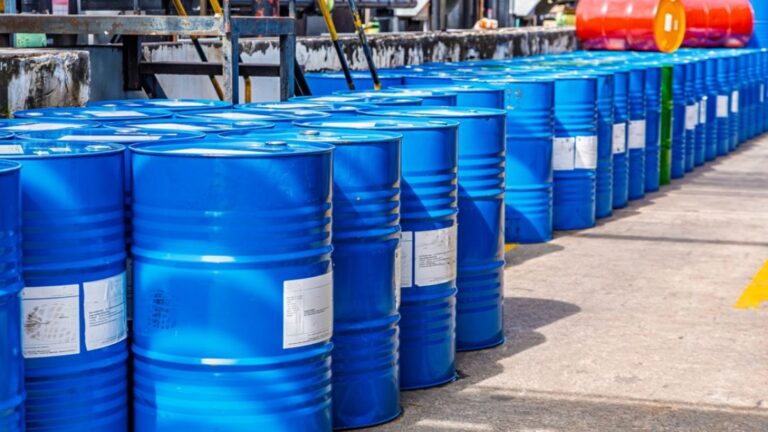
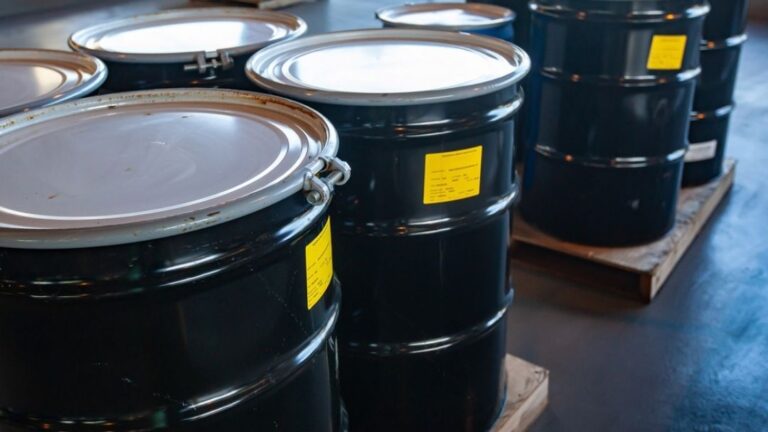
A 2024 market analysis found that 57% of industrial facilities struggle with proper liquid waste management systems, costing companies an average of $2.8 million annually in disposal fees and regulatory violations.
Most facilities generate hazardous liquids through normal operations, but don’t know how to handle them cost-effectively. Poor liquid waste management creates environmental problems, regulatory headaches, and massive disposal expenses that stick around for years.
This guide tells you everything about industrial liquid waste management – from identifying hazardous liquids to implementing cost-saving treatment systems and meeting regulatory requirements.
What Counts as Liquid Waste
Industrial facilities create way more liquid waste than people think. Manufacturing processes, equipment cleaning, and maintenance operations produce materials that need special handling and disposal methods.
The EPA classifies liquid waste based on four main hazard characteristics. Understanding these categories helps you pick the right treatment and disposal methods for your specific waste streams.
Non hazardous waste liquids can often go through standard treatment processes, but hazardous materials need specialized handling. Mixing different waste types creates expensive disposal problems that smart facilities avoid.
- The Four Main Hazard Types
Ignitable stuff burns fast. Solvents, oils, and cleaning chemicals fall into this group. You need fireproof storage and special trucks to move them safely.
Corrosive materials destroy metal containers and burn skin. Battery acid, metal cleaners, and harsh chemicals must be neutralized first or go in special containers that won’t break down.
Reactive materials blow up or make poison gas when they touch other chemicals. Old lab chemicals and unstable compounds can’t sit around – they need professional removal right away.
Toxic materials make people sick or poison the environment. Heavy metal liquids, drug waste, and contaminated water from manufacturing create serious health risks.
Waste Type | Common Examples | Special Requirements |
Ignitable | Solvents, oils, paints | Fire-safe storage and transport |
Corrosive | Acids, alkalis, cleaners | Chemical-resistant containers |
Reactive | Expired chemicals, unstable compounds | Immediate professional disposal |
Toxic | Heavy metals, pharmaceuticals | Environmental protection measures |
Industrial Sources of Liquid Waste
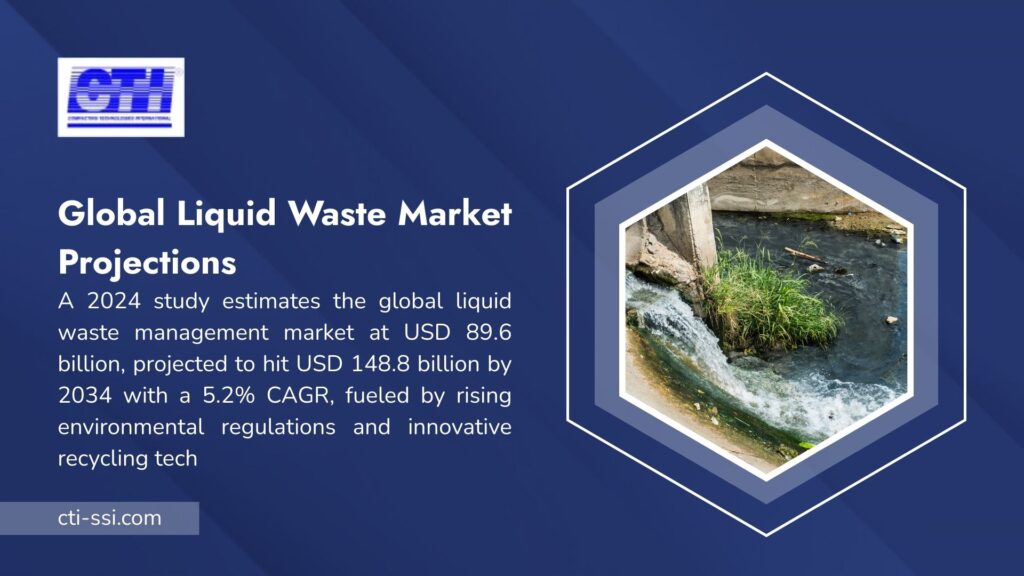
Manufacturing operations generate consistent liquid waste streams that benefit from systematic management approaches. Understanding your facility’s waste sources helps you design effective collection and treatment systems.
Metalworking shops produce contaminated cutting fluids, degreasing solvents, and rinse waters containing heavy metals. These waste streams often qualify as both toxic and ignitable depending on their composition.
Chemical processing facilities create off-specification products, cleaning solutions, and process residues. Many of these materials exhibit multiple hazard characteristics that complicate treatment and disposal.
Waste disposal costs vary dramatically based on waste classification and volume. Proper segregation prevents contamination that turns cheaper non-hazardous streams into expensive hazardous waste.
- Manufacturing Waste Streams
Electronics manufacturers generate etching solutions, plating baths, and cleaning solvents containing precious metals and toxic compounds. These high-value waste streams often work for metal recovery programs.
Pharmaceutical companies produce expired products, contaminated process waters, and laboratory waste. FDA regulations add extra requirements beyond standard EPA hazardous waste rules.
Food processing plants create wastewater with high organic loads, cleaning chemical residues, and packaging waste. Proper pretreatment reduces disposal costs and environmental impact.
Industry | Primary Liquid Waste | Treatment Options |
Metalworking | Cutting fluids, rinse waters | Oil-water separation, metal recovery |
Electronics | Etching solutions, plating baths | Electrochemical recovery, neutralization |
Pharmaceutical | Process waters, expired products | Incineration, secure disposal |
Food Processing | Organic wastewater, cleaning chemicals | Biological treatment, chemical precipitation |
Liquid Waste Disposal Methods and Costs
Liquid waste disposal methods range from direct disposal at licensed facilities to on-site treatment that reduces volumes and costs. The right approach depends on your waste characteristics, volumes, and budget constraints.
Direct disposal works for small volumes but gets expensive quickly. Licensed treatment facilities charge based on waste type, with hazardous liquids costing 3-10 times more than non-hazardous materials.
On-site treatment systems require upfront investment but reduce long-term disposal costs. Properly designed systems can cut disposal expenses by 60% or more while improving environmental compliance.
Treatment Technology Options
Carbon filtration system technology removes organic contaminants from liquid waste streams. These systems work well for solvent recovery and wastewater polishing applications.
Activated carbon filtration handles multiple organic compounds simultaneously and achieves high removal efficiencies. Regular carbon replacement maintains system performance and prevents breakthroughs.
Membrane filtration separates contaminants based on molecular size. Reverse osmosis and ultrafiltration concentrate waste while producing clean water for reuse.
Treatment Method | Best Applications | Typical Costs | Efficiency |
Carbon filtration | Organic removal | $15-50/1000 gal | 90-99% |
Membrane systems | Concentration, separation | $25-75/1000 gal | 95-99.9% |
Chemical precipitation | Metal removal | $10-30/1000 gal | 85-95% |
Biological treatment | Organic degradation | $5-20/1000 gal | 80-95% |

Container and Storage Requirements
Proper container selection prevents costly spills and regulatory violations. Different liquid wastes require specific container materials and secondary containment systems.
Flammable cabinet requirements mandate specific construction standards and ventilation for storing ignitable liquids. OSHA and NFPA codes specify container sizes, cabinet ratings, and installation requirements.
- Container Material Selection
Steel drums work for most non-corrosive liquids but require internal coatings for acidic materials. Stainless steel provides corrosion resistance for aggressive chemicals and radioactive waste.
Plastic containers handle corrosive materials well, but have temperature and chemical compatibility limits. Hazmat container types include specialized designs for different chemical classes and hazard levels.
Secondary containment prevents spills from reaching the environment. Containment systems must hold 110% of the largest container’s volume plus precipitation from a 25-year storm event.
Container Type | Compatible Wastes | Capacity Range | Special Features |
Steel drums | General liquids, oils | 30-55 gallons | DOT approved, stackable |
Stainless steel | Corrosive chemicals | 5-55 gallons | Corrosion-resistant, cleanable |
Poly containers | Acids, alkalis | 5-35 gallons | Chemical-resistant, lightweight |
IBC totes | High-volume waste | 275-330 gallons | Forklift handling, space efficient |
Regulatory Compliance and Documentation
RCRA hazardous waste regulations control every aspect of liquid waste management from generation through final disposal. Large quantity generators face the strictest requirements but even small facilities must follow basic rules.
Waste characterization determines how you classify and manage your liquid waste streams. Wrong classification creates compliance problems and unnecessary disposal costs.
Osha drum storage requirements add workplace safety rules on top of environmental regulations. Proper training prevents worker injuries and regulatory violations.
- Required Documentation
Waste manifests track liquid waste from generation through final disposal. Electronic manifests reduce paperwork errors but require proper system setup and staff training.
Flammable cabinet inspection checklist items include door operation, ventilation function, grounding connections, and label condition. Monthly inspections catch problems before they create violations.
Training records prove your workers understand liquid waste procedures. Regular training updates keep staff current on changing regulations and company procedures.
Document Type | Retention Period | Key Requirements |
Waste manifests | 3 years minimum | Complete chain of custody |
Inspection logs | 3 years minimum | Monthly safety checks |
Training records | 3 years minimum | Annual refresher training |
Characterization data | Indefinite | Waste classification proof |
Advanced Treatment Technologies
Modern treatment systems convert liquid waste into less expensive solid forms or recover valuable materials. These technologies often pay for themselves through reduced disposal costs and material recovery.
Evaporation systems concentrate liquid waste by removing water content. Simple evaporators work for non-volatile contaminants, while more complex systems handle mixed waste streams.
Chemical precipitation converts dissolved metals into solid sludges that cost less to dispose of than liquid waste. Proper pH control and mixing optimize precipitation efficiency.
- Volume Reduction Systems
Dewatering equipment removes water from liquid waste streams before disposal. Belt presses, centrifuges, and filter presses achieve different dewatering levels depending on waste characteristics.
Solidification systems mix liquid waste with absorbent materials to create landfill-acceptable solids. This approach works well for small volumes but gets expensive for large waste streams.
Compaction equipment reduces solid waste volumes after treatment. CTI’s industrial compactors handle both hazardous and non-hazardous materials with forces up to 60,000 pounds.
Technology | Volume Reduction | Operating Costs | Best Applications |
Evaporation | 80-95% | $40-100/1000 gal | Non-volatile contaminants |
Dewatering | 60-85% | $20-50/1000 gal | Sludge and slurries |
Solidification | 0-20% | $30-80/1000 gal | Small volumes |
Compaction | 75-85% | $10-25/1000 gal | Solid waste after treatment |
Professional Equipment Solutions
CTI Safety Storage specializes in liquid waste compaction and volume reduction systems that help industrial facilities manage disposal costs effectively. Our equipment handles hazardous and non-hazardous materials with advanced safety features.
Industrial compactors reduce waste volumes by up to 8:1 ratios before disposal. This volume reduction cuts transportation costs and disposal fees significantly.
Our systems include explosion-proof components for flammable materials, integrated fire suppression for safety, and vapor containment to protect workers and the environment.
- CTI Equipment Advantages
Two-stage hydraulic systems provide a consistent compaction force of up to 60,000 pounds. Programmable controls optimize cycle times and energy consumption for different waste types.
NEMA 7 explosion-proof components ensure safe operation with ignitable waste streams. All electrical components meet strict safety standards for hazardous environments.
NEMA 7 equipment prevents ignition sources that could trigger fires or explosions. These safety features protect workers and facilities while maintaining productivity.
| CTI Model | Compaction Force | Container Capacity | Safety Features |
| CTI 8040 | 40,000 lbs | 30-55 gallon drums | NEMA 4, basic safety |
| CTI 8550 | 55,000 lbs | 55-gallon drums, totes | NEMA 7, enhanced safety |
| CTI 8560 | 60,000 lbs | Multiple container types | Full safety package |
What We Can Say As a Conclusion
Liquid waste management success depends on proper waste characterization, appropriate treatment technology, and consistent regulatory compliance. Smart facilities invest in systems that reduce volumes and disposal costs while maintaining safety.
Understanding the four main hazard types helps you design appropriate handling and treatment systems. Ignitable, corrosive, reactive, and toxic liquids each require different approaches and safety measures.
On-site treatment systems can reduce disposal costs by 60% or more through volume reduction and waste stabilization. Carbon filtration, membrane systems, and chemical precipitation offer proven cost savings.
Proper container selection and storage systems prevent costly spills and regulatory violations. Secondary containment, compatible materials, and regular inspections maintain safe operations.
CTI Safety Storage provides industrial compaction solutions that reduce liquid waste volumes and disposal costs. Our equipment includes advanced safety features for hazardous material handling.
Contact our team today to learn how our liquid waste compaction systems can reduce your disposal costs while improving safety and regulatory compliance.