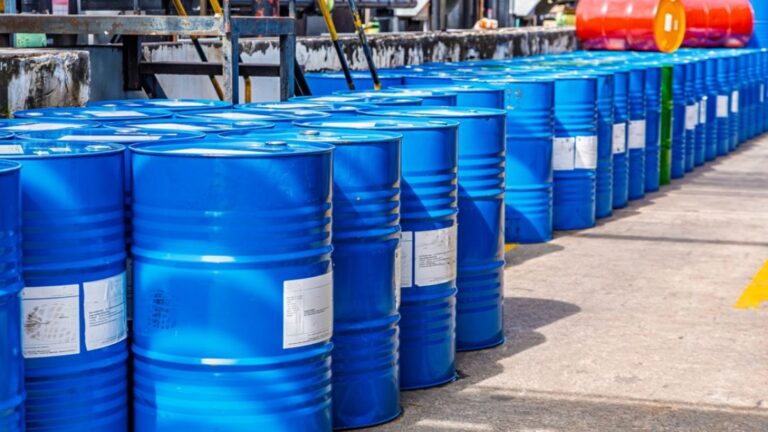
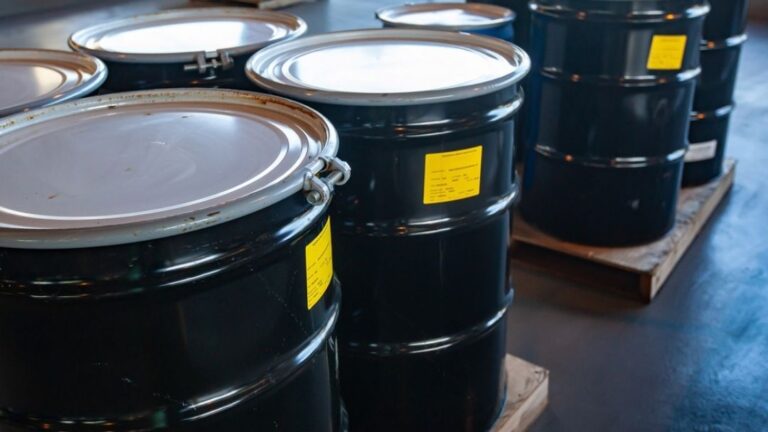
A 2024 safety analysis found that 78% of industrial facilities don’t follow proper disposal of propane tanks procedures, leading to $4.7 million in annual fines and safety violations. North Carolina LP gas inspectors alone performed over 6,300 inspections and issued immediate penalties for improper tank handling.
Most facilities use propane tanks daily but don’t know how to get rid of them safely when they expire or get damaged. Wrong disposal methods create fire hazards, environmental problems, and expensive regulatory violations that hurt your business for years.
This guide tells you everything about safe propane tank disposal – from identifying when tanks need replacement to finding licensed disposal services and meeting safety requirements.
What Makes Propane Tank Disposal Critical
Industrial facilities use thousands of propane tanks for heating, manufacturing, and equipment operations. Every tank eventually reaches the end of its useful life and needs proper disposal to prevent accidents.
The Technical Standards and Safety Authority issued new requirements in 2024 that any tank with a maximum allowable working pressure under 250 psig must be taken out of service by October 2025. Older 200-psig tanks pose safety risks that regulators won’t accept anymore.
OSHA and DOT regulations control every aspect of propane tank handling and disposal. Wrong disposal methods get you hit with immediate penalties that start at thousands of dollars for first violations.
- Tank Lifecycle and Replacement
Small portable tanks wear out faster than large stationary systems. Portable cylinders get moved around and damaged more often, requiring replacement every 5-12 years, depending on usage.
Large bulk tanks last longer but still need inspection and eventual replacement. Underground tanks pose special disposal challenges because excavation costs thousands and creates environmental risks.
Tank age alone doesn’t determine disposal needs. Damage, corrosion, failed inspections, or pressure rating changes force early replacement regardless of tank age.
Tank Type | Typical Lifespan | Disposal Triggers |
Portable cylinders | 5-12 years | Damage, corrosion, expired certification |
Above-ground bulk | 15-30 years | Failed inspection, pressure rating changes |
Underground storage | 20-40 years | Corrosion, environmental compliance |
Transport containers | 10-20 years | DOT regulation changes, damage |
Understanding Propane Safety Requirements
Propane tanks contain pressurized flammable gas that creates serious fire and explosion risks. Even “empty” tanks hold enough residual gas to cause accidents if handled incorrectly.
The 80% fill rule exists because propane expands when heated. Overfilled tanks release gas through safety valves, creating dangerous vapor clouds that ignite easily around heat sources.
Hazard diamond labels on propane tanks show fire risk level 4 (highest), health risk 2 (moderate), and reactivity 0 (stable). Understanding how to read hazard diamond information helps workers handle tanks safely.
- Fire and Explosion Hazards
Propane vapor is heavier than air and pools in low areas where ignition sources create explosions. Static electricity, smoking, or electrical equipment can trigger fires from leaked propane.
Tank damage from dropping, denting, or corrosion creates leak points that release gas without warning. Many propane accidents happen because workers don’t realize tanks are leaking.
Safety valves protect against overpressure but create fire hazards when they operate. Released propane forms vapor clouds that spread quickly and ignite from small sparks.
Hazard Source | Risk Level | Prevention Method |
Residual gas in “empty” tanks | High | Professional purging before disposal |
Vapor accumulation in confined spaces | Very High | Ventilation, gas detection systems |
Static electricity during handling | Medium | Proper grounding and bonding |
Damaged valves and fittings | High | Regular inspection, immediate replacement |
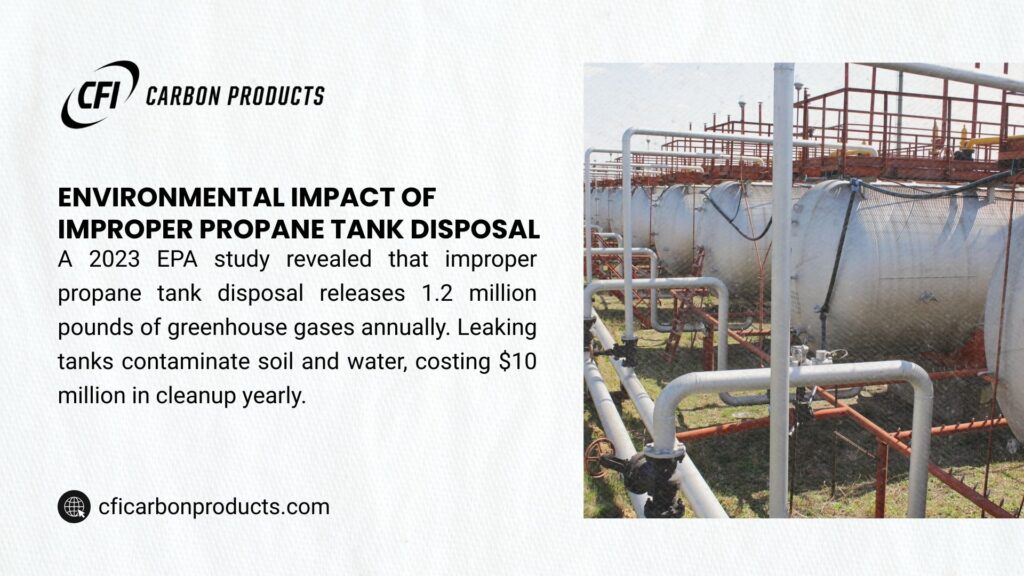
Types of Propane Tanks Needing Disposal
Industrial facilities use different propane tank types that require specific disposal methods. Understanding these differences helps you pick the right disposal approach.
Small cylinders from forklifts, torches, and portable equipment need the most frequent disposal. These tanks get damaged easily and have shorter service lives than larger systems.
How many gallons does a tote hold varies by design, but most propane totes hold 250-330 gallons. These intermediate containers need special handling because of their size and gas capacity.
- Portable Tank Categories
20-pound grill cylinders make up the largest volume of propane tanks needing disposal. These common tanks wear out fast because people move them around constantly.
100-pound forklift cylinders last longer but still need regular replacement. Industrial use creates more wear and damage than residential applications.
1-pound camping cylinders create disposal challenges because they’re too small for standard recycling equipment. New evacuation systems recover propane from these tiny tanks for safe disposal.
Cylinder Size | Common Uses | Disposal Frequency |
1-pound camping | Portable equipment, emergency backup | Monthly |
20-pound standard | Grills, small heaters, torches | Quarterly |
100-pound forklift | Material handling, industrial heating | Annually |
420-pound bulk | Large equipment, facility heating | Every 3-5 years |
Legal Requirements for Tank Disposal
RCRA hazardous waste regulations don’t usually apply to empty propane tanks, but non hazardous waste rules still control disposal methods. State and local rules add extra requirements beyond federal standards.
OSHA workplace safety rules cover tank handling during disposal preparation. Osha drum storage requirements apply when you store damaged or expired tanks before disposal.
DOT transportation rules control how you move tanks to disposal facilities. Wrong packaging or labeling during transport gets you immediate citations and fines.
- Documentation Requirements
Tank disposal records prove you followed proper procedures if regulators ask questions later. Keep receipts from licensed disposal companies for at least three years.
Training records show your workers know how to handle propane tanks safely. Regular safety training prevents accidents that create liability and regulatory problems.
Flammable cabinet inspection checklist items include checking for propane tank storage violations. Most facilities accidentally store propane in electrical cabinets, creating serious fire hazards.
Document Type | Retention Time | Purpose |
Disposal receipts | 3 years minimum | Prove proper disposal |
Training records | 3 years minimum | Show worker competency |
Inspection logs | 3 years minimum | Document safety compliance |
Transport manifests | 1 year minimum | Track movement to disposal |
Safe Disposal Methods and Options
Disposal of propane tanks starts with proper preparation to remove all residual gas. Professional services use specialized equipment to recover propane safely and prepare tanks for recycling or disposal.
Tank recycling works best for undamaged cylinders that still meet safety standards. Scrap metal dealers accept properly prepared tanks but won’t take tanks with gas residue.
Household hazardous waste disposal programs often accept small propane tanks from businesses, but volume limits restrict how much they’ll take. Large facilities need commercial disposal services.
- Professional Disposal Services
Licensed propane companies provide the safest disposal option for all tank types. These companies have proper equipment to purge tanks and handle transportation safely.
Cylinder evacuation systems recover 100% of residual propane for reuse while preparing tanks for recycling. This technology prevents waste and reduces disposal costs.
Waste disposal costs vary based on tank size and condition. Damaged tanks cost more to dispose of than tanks that qualify for recycling programs.
Disposal Method | Tank Types | Typical Cost | Safety Requirements |
Professional purging | All sizes | $25-200 per tank | Licensed contractor only |
Scrap metal recycling | Purged tanks only | $0-10 per tank | Must be completely empty |
Hazardous waste facility | Damaged/leaking tanks | $50-500 per tank | Special transport required |
Cylinder evacuation | Small cylinders | $5-25 per tank | Automated system preferred |

Container Storage Before Disposal
Proper storage prevents accidents while tanks await disposal. Damaged or expired tanks need secure storage away from heat sources and ignition hazards.
Flammable cabinet requirements include proper ventilation and grounding for storing small propane cylinders. Standard electrical cabinets don’t meet fire safety standards for flammable gas storage.
Hazmat container types for propane tank storage include specialized outdoor cabinets and storage buildings designed for flammable gases. Regular storage containers don’t provide adequate safety.
- Storage Safety Systems
Outdoor storage keeps propane tanks away from buildings and ignition sources. Fenced compounds provide security while maintaining safe distances from facilities.
Ventilation systems prevent gas accumulation if tanks develop leaks during storage. Natural ventilation works better than mechanical systems that create ignition sources.
How to store loose batteries separately from propane tanks prevents electrical accidents. Battery terminals can create sparks that ignite leaked propane gas.
Storage Option | Capacity | Safety Features | Typical Cost |
Outdoor cage | 50-200 tanks | Weather protection, ventilation | $2,000-8,000 |
Flammable storage building | 100-500 tanks | Fire suppression, explosion venting | $15,000-50,000 |
Specialized cabinets | 10-50 tanks | Temperature control, leak detection | $5,000-15,000 |
Temporary compounds | Variable | Fencing, signage, access control | $1,000-5,000 |
Equipment for Safe Tank Handling
Professional tank disposal requires specialized equipment to handle pressurized containers safely. Regular material handling equipment doesn’t provide adequate safety for propane operations.
Cylinder handling tools prevent drops and impacts that damage tanks or create leaks. Proper lifting equipment protects workers and prevents tank damage during movement.
NEMA 7 electrical equipment prevents ignition sources around propane tanks. Standard electrical tools can create sparks that trigger fires or explosions.
- Specialized Handling Equipment
Tank dollies and carts designed for propane cylinders include safety features like grounding chains and impact protection. Regular hand trucks don’t provide adequate safety.
Lifting devices for large tanks require proper rigging and certified operators. Dropped tanks create serious fire hazards and expensive cleanup problems.
Gas detection equipment alerts workers to propane leaks before they reach dangerous levels. Portable detectors provide early warning during tank handling operations.
Equipment Type | Safety Features | Typical Cost | Maintenance Needs |
Propane cylinder carts | Grounding, impact guards | $200-800 | Weekly inspection |
Tank lifting devices | Load ratings, safety factors | $1,000-5,000 | Annual certification |
Gas detection monitors | Alarm systems, data logging | $500-2,000 | Monthly calibration |
NEMA 7 tools | Explosion-proof construction | $300-1,500 per tool | Annual testing |
Volume Reduction and Compaction Solutions
Tank disposal costs add up quickly for facilities that use lots of propane. Volume reduction through compaction helps control disposal expenses while maintaining safety.
CTI Safety Storage provides specialized compaction equipment designed for propane tank disposal. Our systems safely compress empty, purged tanks to reduce volume by up to 8:1 ratios.
Activated carbon filtration systems capture any residual vapors during tank compaction. These safety features protect workers and meet environmental requirements.Professional Equipment Solutions
- CTI Compaction Advantages
Two-stage hydraulic systems provide a consistent 60,000-pound compaction force for complete tank flattening. Programmable controls optimize cycle times for different tank types and sizes.
Explosion-proof electrical components ensure safe operation around any residual propane vapors. All CTI equipment meets NEMA 7 standards for hazardous environments.
Carbon filtration system technology removes organic vapors released during tank compression. HEPA and carbon combination filters achieve 99.97% efficiency for complete vapor control.
CTI Model | Compaction Force | Tank Capacity | Safety Features |
CTI 8040 | 40,000 lbs | 20-50 small cylinders | Basic explosion-proof |
CTI 8550 | 55,000 lbs | 10-30 large cylinders | Enhanced vapor control |
CTI 8560 | 60,000 lbs | Mixed tank sizes | Full safety package |
Waste Recycling and Recovery Programs
Smart facilities recover value from expired propane tanks through metal recycling and gas recovery programs. Proper preparation turns disposal costs into revenue opportunities.
Cylinder evacuation systems recover propane for reuse in other applications. This recovered gas has value that offsets disposal costs while preventing waste.
Waste recycling programs for propane tanks require complete gas removal and valve elimination. Prepared tanks bring $0.10-0.30 per pound as scrap steel.
- Material Recovery Options
Steel recycling provides the highest value for properly prepared propane tanks. Clean steel from tanks contains valuable alloys that scrap dealers want.
Valve and fitting recovery saves money on replacement parts for tank refurbishment. Brass and stainless steel components have good resale value.
Gas recovery systems pay for themselves quickly through propane resale value. One-pound cylinders often contain $2-5 worth of recoverable propane.
Recovery Option | Value per Tank | Preparation Required | Market Conditions |
Steel scrap | $5-25 | Complete gas removal | Stable demand |
Brass fittings | $2-8 | Valve removal | Fluctuating prices |
Propane recovery | $3-15 | Professional evacuation | Growing market |
Tank refurbishment | $15-40 | Inspection, recertification | Specialized market |
Professional Equipment Solutions
CTI Safety Storage specializes in propane tank disposal equipment that helps industrial facilities manage costs while maintaining safety. Our compaction systems handle all tank types with advanced safety features.
Industrial compactors reduce tank disposal volumes and transportation costs. Smaller volumes mean fewer disposal trips and lower fees from waste management companies.
Our systems include complete vapor control, explosion-proof components, and automated safety features. Worker protection and environmental compliance come standard with all CTI equipment.
- CTI Safety Features
Integrated fire suppression systems provide automatic protection during tank compaction operations. These systems detect dangerous conditions and respond without human intervention.
Vapor containment systems capture any residual gas released during compression. Advanced filtration prevents worker exposure and environmental releases.
Liquid waste management integration allows facilities to handle both propane tanks and liquid waste streams with coordinated equipment systems.
Safety System | Protection Level | Response Time | Annual Cost |
Fire suppression | Automatic detection and response | Under 10 seconds | $2,000-5,000 |
Vapor containment | 99.97% capture efficiency | Continuous operation | $1,500-3,000 |
Gas detection | PPM-level sensitivity | Real-time monitoring | $500-1,500 |
Emergency shutdown | Complete system isolation | Under 5 seconds | $1,000-2,500 |
What We Can Say As a Conclusion
Disposal of propane tanks requires professional services that can safely remove residual gas and prepare tanks for recycling or disposal. DIY disposal creates serious fire and explosion risks.
Understanding different tank types helps you plan disposal schedules and budgets. Small cylinders need more frequent disposal than large bulk tanks.
Proper storage prevents accidents while tanks await disposal. Secure outdoor storage keeps damaged tanks away from buildings and ignition sources.
Volume reduction through compaction cuts disposal costs by reducing transportation and landfill fees. CTI’s specialized equipment handles tank compaction safely.
Recovery programs turn disposal costs into revenue through gas and metal recovery. Professional evacuation systems recover valuable propane while preparing tanks for recycling.
Contact CTI Safety Storage today to learn how our propane tank compaction systems can reduce your disposal costs while improving safety and regulatory compliance.