Article Summary:
- Paint waste disposal requires proper classification based on chemical composition
- Different paint types follow distinct disposal protocols and regulations
- Industrial facilities must comply with EPA and state hazardous waste requirements
- Volume reduction through compaction lowers disposal costs significantly
- Proper paint waste disposal protects environmental safety and reduces liability
This guide shows you how to dispose of paint waste from industrial operations. It covers classification protocols, disposal methods, compliance requirements, and cost-reduction strategies for facilities that generate paint waste regularly.

Paint Waste Classification
The first step in paint waste disposal starts with proper classification. Different paint types require different disposal approaches based on their chemical properties.
| Paint Type | Hazard Classification | Disposal Category | Key Concerns |
| Oil-Based Paints | Hazardous waste | RCRA regulated | Flammable, toxic solvents |
| Latex/Water-Based | Non-hazardous (typically) | Municipal solid waste | Volume, moisture content |
| Lead-Based Paints | Hazardous waste | RCRA regulated | Heavy metal toxicity |
| Industrial Coatings | Varies by formulation | Case-by-case analysis | VOCs, heavy metals |
| Spray Booth Waste | Hazardous waste | RCRA regulated | Mixed chemical content |
Oil-based paints contain petroleum distillates and organic solvents that qualify as hazardous waste under EPA Resource Conservation and Recovery Act (RCRA) standards. These materials require manifest documentation and licensed hazardous waste transporter services.
Latex and water-based paints may qualify as non-hazardous when fully dried and hardened. However, liquid latex paint waste disposal still poses challenges due to volume and moisture content.
Lead-based paint waste always requires hazardous waste protocols regardless of other properties. Federal regulations prohibit casual disposal due to heavy metal contamination risks.
Disposal Methods for Paint Waste
Multiple disposal pathways exist for paint waste disposal, each with distinct cost and compliance requirements.
| Disposal Method | Best For | Typical Cost | Processing Time | Regulatory Burden |
| Licensed Hauler | Liquid hazardous waste | $200-$600 per drum | 1-4 weeks | High (manifests, tracking) |
| Waste-to-Energy | High-BTU paint waste | $150-$400 per drum | 2-6 weeks | Medium (pre-approval) |
| Solidification/Stabilization | Liquid latex paint | $100-$300 per drum | 1-2 weeks | Low to medium |
| Landfill (dried) | Dried non-hazardous paint | $50-$150 per drum | Days | Low (if non-hazardous) |
| Recycling Programs | Usable surplus paint | $0-$75 per drum | Varies | Low |
- Hazardous Waste Disposal
Facilities must contract with EPA-licensed hazardous waste transporters and treatment facilities. This process requires:
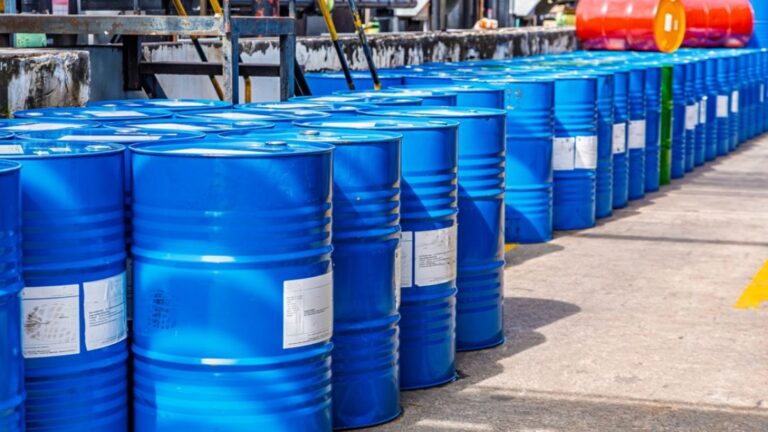
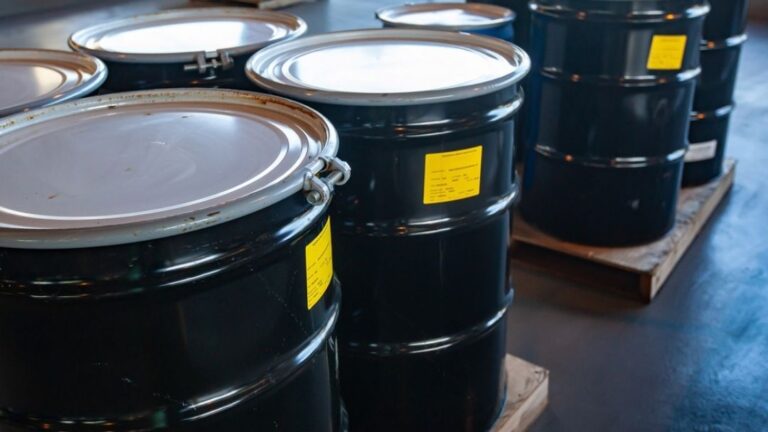
Proper containerization in DOT-approved drums or containers. Paint waste must stay in sealed, labeled containers until pickup.
Manifest documentation that tracks the waste from generation through final disposal. The facility retains liability until the disposal facility signs the manifest.
Generator status determination based on monthly waste volumes. Large quantity generators face stricter requirements than small or conditionally exempt generators.
- Solidification and Volume Reduction
Many facilities reduce paint waste disposal costs through solidification and compaction. Liquid paint waste takes up significant space and adds weight.
Solidification agents convert liquid paint into solid waste that costs less to transport and dispose of. However, solidification adds material weight.
Compaction systems crush and compress paint containers and solidified waste into smaller volumes. This approach cuts transportation frequency and disposal costs substantially.
From an engineering perspective, compaction can reduce waste volume by 75-85% compared to loose drum storage. Fewer pickups mean lower manifest fees, transportation costs, and disposal charges.
Safety Requirements for Paint Waste Disposal
Paint waste disposal operations must follow strict safety protocols to protect workers and facilities.
| Safety Element | Requirement | Equipment/Procedure | Compliance Standard |
| Personal Protection | Respiratory, skin, eye protection | NIOSH-approved respirators, chemical gloves | OSHA 29 CFR 1910.134 |
| Ventilation | Adequate air exchange | Local exhaust ventilation systems | OSHA 29 CFR 1910.94 |
| Fire Safety | Prevention and suppression | Explosion-proof equipment, fire suppression | NFPA standards |
| Spill Response | Containment and cleanup | Spill kits, absorbent materials | EPA 40 CFR 112 |
| Training | Annual refresher courses | Hazardous waste operations training | OSHA 29 CFR 1910.120 |
Workers who handle paint waste disposal must complete hazardous waste operations and emergency response (HAZWOPER) training when dealing with hazardous classifications.
Facilities need proper ventilation to prevent solvent vapor accumulation. Many industrial paints release volatile organic compounds that create explosion risks in confined spaces.
Fire safety becomes critical with flammable paint waste. Storage areas require explosion-proof electrical components rated for Class I, Division 1 or 2 environments.

Environmental Compliance Requirements
Paint waste disposal falls under multiple federal and state regulatory frameworks.
| Regulation | Agency | Key Requirements | Penalties for Violation |
| RCRA Subtitle C | EPA | Hazardous waste ID, manifests, reporting | $70,000+ per day, criminal charges |
| Clean Air Act | EPA | VOC emission limits | $25,000-$50,000 per day |
| State RCRA Programs | State EPA | Additional permit requirements | Varies by state |
| DOT Hazmat Rules | DOT | Packaging, labeling, placarding | $75,000+ per violation |
| Right-to-Know Laws | OSHA/EPA | Chemical inventory reporting | $10,000-$25,000 per day |
Facilities must obtain an EPA identification number before they can ship hazardous paint waste off-site. This identification links the facility to all waste manifests permanently.
Biennial reports go to EPA for large quantity generators. These reports detail waste types, volumes, disposal methods, and transporter information.
State programs often exceed federal minimum requirements. California, New York, and Massachusetts impose additional paint waste disposal restrictions that affect industrial operations.
Cost Analysis: Paint Waste Disposal Options
Paint waste disposal costs vary significantly based on method, volume, and waste characteristics.
Raw disposal costs represent just one component of total expenses. Transportation, documentation, storage, and labor add to overall paint waste disposal budgets.
Facilities that generate 5-10 drums monthly might spend $15,000-$40,000 annually on hazardous paint waste disposal through traditional licensed hauler services.
Volume reduction through compaction can cut these costs by 40-60%. Fewer drums mean fewer manifest fees, less frequent pickups, and reduced transportation charges.
Some facilities achieve additional savings through waste-to-energy programs. Paint waste with sufficient BTU content qualifies as fuel for industrial incinerators. This pathway often costs less than landfill disposal while serving an energy recovery purpose.
Volume Reduction Through Compaction
Industrial waste disposal efficiency improves dramatically when facilities compress paint waste before shipment.
Compaction systems designed for hazardous materials feature specialized safety components. These include NEMA 7 explosion-proof electrical systems that prevent ignition sources near flammable vapors.
Advanced compactors handle saturated waste with liquid removal capabilities. Paint sludge and filter media often contain residual solvents that need extraction before compaction.
Filtration systems on hazardous waste compactors capture volatile organic compounds and particulates. HEPA filters trap particles down to 0.3 microns with 99.97% efficiency, while activated carbon systems absorb solvent vapors.
Stainless steel construction allows easy decontamination between batches. This matters when facilities handle multiple paint types or when equipment requires cleaning for inspection or maintenance.
Special Considerations for Different Paint Types
Spray Booth Waste
Spray booth filters and overspray waste contain paint solids mixed with booth media. This waste typically qualifies as hazardous due to solvent content and heavy metal pigments.
Drum crushing capabilities allow facilities to compact waste-filled drums rather than emptying contents. This approach reduces worker exposure and simplifies waste streams.
Lead-Based Paint Removal Waste
Renovation and maintenance projects often generate lead paint chips and contaminated materials. These require special paint waste disposal protocols due to toxicity concerns.
Lead waste goes to Treatment, Storage, and Disposal Facilities (TSDFs) licensed for heavy metal waste. Standard municipal solid waste landfills cannot accept this material.
Industrial Coating Overspray
Manufacturing operations that apply powder coatings or liquid industrial finishes generate substantial overspray waste. The cost to dispose of this material drives many facilities toward recovery and reuse systems.
Powder coating overspray can sometimes be reclaimed and reused if contamination stays minimal. Liquid overspray typically requires hazardous waste disposal when it contains solvents or reactive components.
Selecting the Right Disposal Approach
Several factors drive decisions about how to dispose of paint waste from industrial operations:
Waste volume and generation frequency affect which methods make economic sense. Small generators might use regional collection programs, while high-volume facilities need dedicated systems.
Waste characteristics determine regulatory classification and available disposal options. Hazardous constituents limit choices to licensed TSDFs.
Budget constraints balance disposal costs against compliance requirements and liability concerns. Cheaper methods may carry higher long-term risks.
Facility capabilities include available space, equipment, and trained personnel. Some disposal approaches require significant infrastructure investment.

CTI Safety Storage Solutions
Facilities that handle significant paint waste disposal volumes benefit from specialized compaction equipment designed for hazardous material applications.
CTI Safety Storage manufactures industrial waste compactors with features specifically suited to paint waste challenges. Their systems accommodate saturated waste, provide explosion-proof operation, and integrate liquid removal capabilities.
Models like the CTI 8560 deliver 60,000 pounds of compaction force to maximize volume reduction. This force level handles paint drums, saturated filters, and solidified waste materials effectively.
Optional safety features encompass fire suppression systems, inert gas purge capabilities, and HEPA filtration packages to mitigate the safety concerns that arise from painting-related waste that standard compactors will not mitigate.
The use of stainless steel componentry in the construction of the entire compaction chamber allows facilities to clean and decontaminate between waste types. This allows flexibility for a facility producing multiple waste streams.