Article Summary:
- One liter of oil contaminates up to 1 million liters of water
- EPA reports fats, oils, and grease cause 47% of sewer blockages nationwide
- Commercial facilities face strict disposal regulations under federal and state codes
- Proper collection systems reduce liability and create revenue through recycling
- Volume reduction through approved compaction cuts disposal costs by 40-60%
This guide explains methods to dispose of cooking oil from commercial kitchens and food production facilities. It covers EPA classification, approved disposal pathways, regulatory compliance, cost management, and environmental protection standards.
Classification and Regulatory Framework
Used cooking oil falls under specific waste categories that determine disposal requirements. Facilities must classify their waste streams correctly to meet federal and state standards.
The EPA does not classify pure vegetable oil as hazardous waste under RCRA standards. However, contamination changes this classification. Oil mixed with solvents, cleaners, or other chemicals may qualify as hazardous waste under multiple codes.
| Oil Type | Contamination Level | Classification | Disposal Route |
| Pure vegetable oil | None | Non-hazardous | Recycler or renderer |
| Animal fats | None | Non-hazardous | Renderer or biodiesel |
| Mixed oil/grease | Minor food particles | Non-hazardous | Licensed hauler |
| Solvent-contaminated | Chemical mixture | Hazardous waste | Licensed RCRA facility |
Commercial facilities that dispose of cooking oil face different regulations based on volume. The EPA categorizes generators under RCRA if they produce hazardous waste:
Small Quantity Generators:
- Produce 100-1,000 kg hazardous waste per month
- Store waste up to 180 days (270 days if >200 miles)
- Need EPA identification number
Large Quantity Generators:
- Produce over 1,000 kg per month
- Maximum 90-day storage
- Require contingency plans and training programs
Pure cooking oil does not trigger these requirements. However, facilities should document oil characterization to prove non-hazardous status. This documentation protects against enforcement actions and proves compliance during inspections.
State regulations add requirements beyond federal standards. California, New York, and several other states mandate grease trap installation for commercial kitchens.
Some municipalities require collection permits or hauler registration. Facilities must check local codes for specific requirements that apply to their operations.
Safe Methods to Dispose of Cooking Oil
Commercial operations must dispose of cooking oil using approved collection, recycling, or hauling services to prevent sewer damage and environmental contamination.
The EPA reports that fats, oils, and grease cause 47% of sewer blockages nationwide, which demonstrates why proper disposal matters for infrastructure protection.
| Method | Volume Capacity | Cost Range | Revenue Potential | Best For |
| Biodiesel recycler | 100+ gallons/week | $0-$50/drum | $0.50-$2.00/gallon | High-volume kitchens |
| Rendering company | 50+ gallons/week | Free pickup | $0.20-$1.00/gallon | Mixed fats/oils |
| Licensed hauler | Any volume | $75-$200/pickup | None | Small operations |
| Waste-to-energy | Large volumes | $50-$150/drum | Variable | Food processors |
Biodiesel Recycling:
Biodiesel facilities convert used oil into renewable fuel. This process creates the most environmental benefit and often provides revenue to oil generators.
Collection companies provide storage tanks at no cost. They schedule regular pickups based on production volume. Many facilities pay generators for clean, filtered oil that meets biodiesel feedstock specifications.
Oil quality affects payment rates. Clean vegetable oil commands premium prices. Mixed oil with animal fats receives lower rates. Contaminated oil with water, solids, or chemicals may require fees rather than generate revenue.
Rendering Services:
Renderers process animal fats and mixed oil streams for industrial applications. They convert waste oils into products like soap, lubricants, and animal feed ingredients.
This service suits operations that produce mixed waste streams. Butcher shops, meat processors, and full-service restaurants often choose renderers for their diverse fat collection.
Renderers provide storage containers and collection services. Most offer free pickup for sufficient volumes. Some pay small amounts for high-quality fats.
Licensed Hauler Collection:
Smaller operations use licensed haulers who collect oil and deliver it to appropriate facilities. This option works for bakeries, cafeterias, and limited-menu restaurants with lower oil production.
Haulers charge pickup fees that vary by location and volume. Facilities pay for collection service rather than receive payment for their oil. However, this method ensures proper disposal and regulatory compliance.
Municipal Collection:
Some cities operate collection programs for commercial operations. These programs typically serve smaller businesses that do not meet minimum volumes for private collectors.
Municipal programs may charge fees or offer free collection during scheduled events. Facilities should verify program rules and volume limits before participation.
According to research on used cooking oil environmental impacts, one liter of oil can contaminate up to 1 million liters of water. This statistic shows why proper liquid waste disposal through approved channels protects groundwater and surface water resources.
Collection System Requirements
Facilities need proper equipment to store used oil safely before disposal. Equipment selection affects safety, compliance, and operational efficiency.
| Equipment | Capacity | Cost Range | Application |
| Indoor collector | 5-15 gallons | $150-$400 | Small kitchens |
| Outdoor caddy | 30-50 gallons | $300-$800 | Medium operations |
| Bulk tank | 200-500 gallons | $1,000-$3,000 | High-volume facilities |
| Filter system | Varies | $500-$2,000 | Quality improvement |
Storage Container Standards:
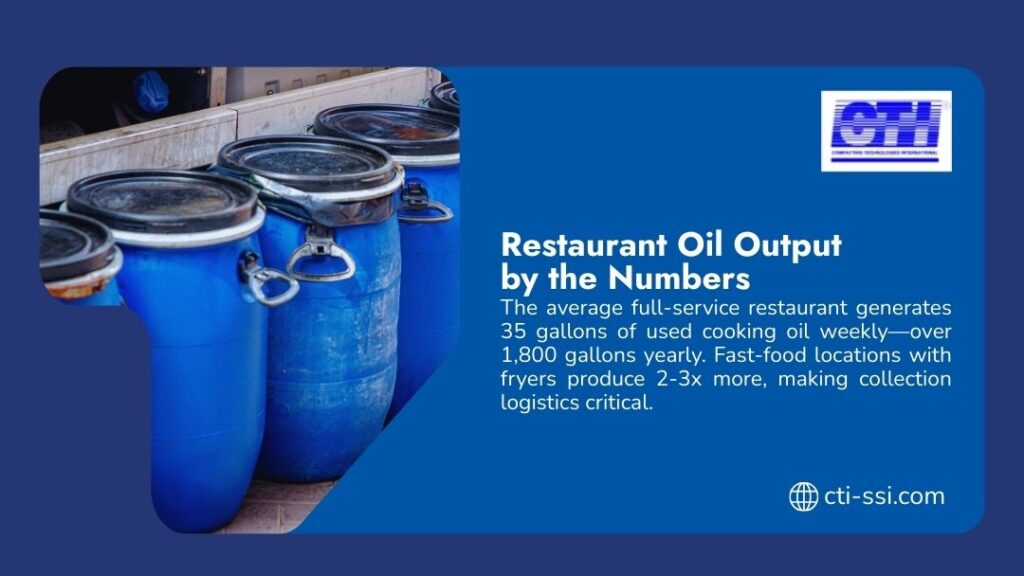
Oil storage containers must meet specific safety requirements. Metal or heavy-duty plastic construction prevents leaks and spills. Containers need secure lids that seal properly to prevent odors and pest problems.
Indoor storage requires containers on drip trays or in secondary containment. This catches any spills or leaks that occur during transfer operations. Some jurisdictions mandate specific container types or approval ratings.
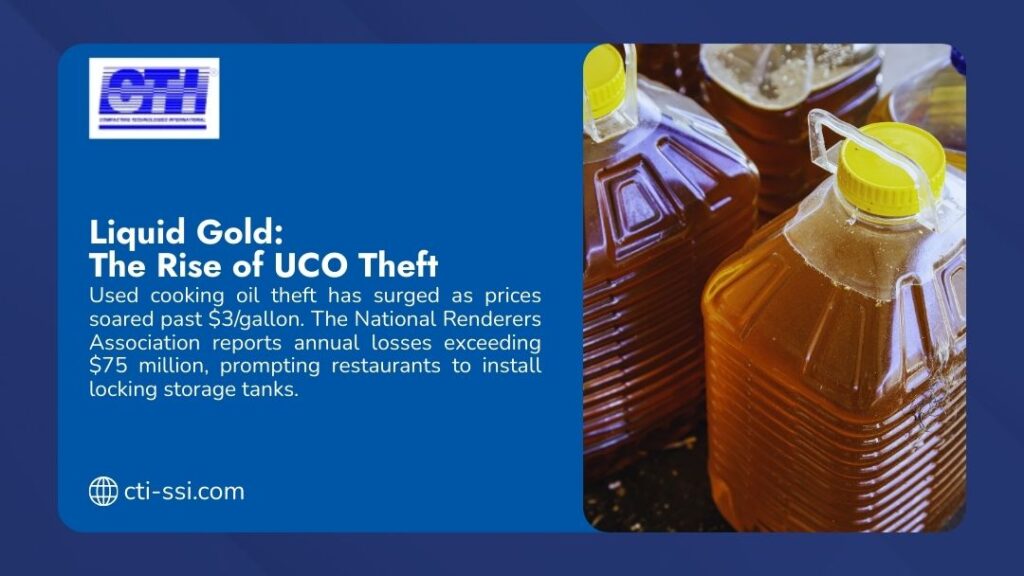
Outdoor storage tanks need weatherproof construction. They should sit on concrete pads with spill containment. Many municipalities require locked lids to prevent unauthorized dumping or theft.
Transfer Procedures:
Safe oil transfer protects workers and prevents spills. Oil should cool below 100°F before transfer to prevent container damage and burn risks.
Filter screens remove food particles that contaminate oil and reduce value. Many collectors reject oil with excessive solids or water content. Facilities that filter oil before storage often receive better rates or free collection.
Never mix different waste streams in oil containers. Solvents, cleaners, or other chemicals contaminate oil and create household hazardous waste disposal requirements rather than simple recycling.
Grease Trap Management:
Most commercial kitchens need grease traps or interceptors. These devices capture fats and oils before they enter sewer lines. Regular maintenance prevents blockages and keeps systems functional.
Traps require professional cleaning on schedules set by local codes. Many areas mandate monthly or quarterly service. Pumped material from grease traps needs disposal through licensed haulers who handle this specific waste stream.
Trap waste differs from fresh cooking oil. It contains water, food solids, and degraded fats that have limited value. Most haulers charge for grease trap waste rather than pay for it.
Fire Safety Considerations:
Used cooking oil presents fire hazards if stored improperly. Storage areas need fire extinguishers rated for Class K fires. These extinguishers handle oil and grease fires safely.
Keep storage areas away from heat sources and open flames. Adequate ventilation prevents vapor buildup in enclosed spaces. Some facilities need explosion-proof electrical systems in storage areas.
Hot oil requires special handling. Never pour hot oil into plastic containers. Allow cooling in metal pots before transfer to storage containers. Some facilities use dedicated cooling stations for this purpose.
Cost Control and Revenue Generation
Smart management of used oil creates financial benefits for commercial operations. Facilities that optimize their oil programs reduce costs and sometimes generate revenue.
| Strategy | Savings/Revenue | Implementation |
| Quality maintenance | $200-$500/year | Filter oil, prevent contamination |
| Volume consolidation | $300-$800/year | Combine multiple locations |
| Contract negotiation | $400-$1,200/year | Compare multiple collectors |
| Equipment optimization | $500-$1,500/year | Right-size storage capacity |
Oil Quality Management:
Clean oil commands better prices and lower disposal fees. Simple steps improve oil value:
- Filter oil before storage to remove food particles
- Keep water out of collection containers
- Separate vegetable oils from animal fats when possible
- Avoid chemical contamination from cleaners or solvents
- Store in sealed containers to prevent oxidation
Facilities that maintain oil quality often receive payment rather than pay disposal fees. The difference ranges from $2-$4 per gallon between premium clean oil and contaminated mixed waste.
Volume Strategies:
Multi-location operations can consolidate collections for better rates. Collectors offer discounts for higher volumes or multiple pickups on the same route. Some businesses combine oil from several smaller facilities at one collection point.
Consistent volumes allow scheduled pickups rather than on-call service. Scheduled collection costs less and ensures regular service. Facilities can plan storage needs and avoid emergency calls when containers fill unexpectedly.
Alternative Value Recovery:
Some operations explore additional value from waste oils. Animal fats suit rendering into industrial products. High-quality vegetable oil can supply biodiesel producers. Mixed oils may work for waste-to-energy facilities.
From an operations perspective, facilities should evaluate all options annually. Market conditions change and new collection services enter local markets. Regular bid requests ensure competitive rates and identify better disposal methods.
Volume Reduction Benefits:
Food processing facilities that generate contaminated materials benefit from compaction systems. These machines reduce waste volume before disposal or transport to appropriate waste disposal facilities.
Advanced filtration on these systems captures vapors and prevents environmental release during compaction. NEMA 7 explosion-proof construction allows safe operation in areas where flammable vapors may accumulate. Stainless steel components allow thorough cleaning between different material types.
These systems suit facilities with diverse waste streams beyond just cooking oil. Food processors, industrial kitchens, and manufacturing operations benefit from volume reduction that cuts transportation costs and disposal fees by 40-60%.
CTI Safety Storage manufactures industrial compaction systems for challenging waste streams. Their equipment features liquid removal systems that extract fluids before compression.
Documentation Value:
Proper records protect facilities from liability and prove compliance. Collection manifests show proper disposal. Payment records demonstrate legitimate waste recycling rather than illegal dumping.
Records should include:
- Collection dates and volumes
- Hauler company names and license numbers
- Manifest copies for each pickup
- Payment receipts or revenue records
- Oil quality test results if applicable
Keep records for three years minimum. Some states require longer retention. Records prove compliance during inspections and defend against environmental enforcement actions.
Environmental Protection Standards
Proper methods to dispose of cooking oil protect water resources and prevent ecosystem damage. Research shows that oil contamination affects aquatic life and creates long-term environmental problems.
| Impact Category | Effect | Prevention |
| Water contamination | Oxygen depletion in waterways | Proper collection systems |
| Sewer blockages | Infrastructure damage and overflows | Grease trap maintenance |
| Soil pollution | Reduced fertility and plant toxicity | Approved disposal only |
| Wildlife harm | Coating and ingestion by animals | Secure storage containers |
Water Quality Protection:
Oil that enters waterways creates surface films that block oxygen exchange. Aquatic organisms need dissolved oxygen to survive. Oil layers prevent this gas transfer and cause fish kills and ecosystem damage.
Even small amounts cause problems. According to environmental research, one liter of oil can contaminate up to 1 million liters of water. This contamination affects drinking water sources, recreational waters, and sensitive habitats.
Groundwater contamination occurs when oil soaks into soil. It can travel long distances underground and affect wells far from the original spill site. Cleanup costs for groundwater contamination range from hundreds of thousands to millions of dollars.
Sewer System Protection:
Municipalities spend billions annually to clear grease blockages. Some pass these costs to businesses through fines and cleanup charges. Facilities caught discharging excessive oil face penalties from $500 to $25,000 per violation.
Proper grease trap installation and maintenance prevents these problems. Traps capture oil before it enters sewer lines. Regular cleaning keeps traps functional and prevents pass-through that causes downstream blockages.
Climate Impact Considerations:
Used cooking oil recycled into biodiesel reduces greenhouse gas emissions. This renewable fuel produces lower carbon dioxide than petroleum diesel. Some estimates show 80% reduction in lifecycle emissions for biodiesel from used cooking oil.
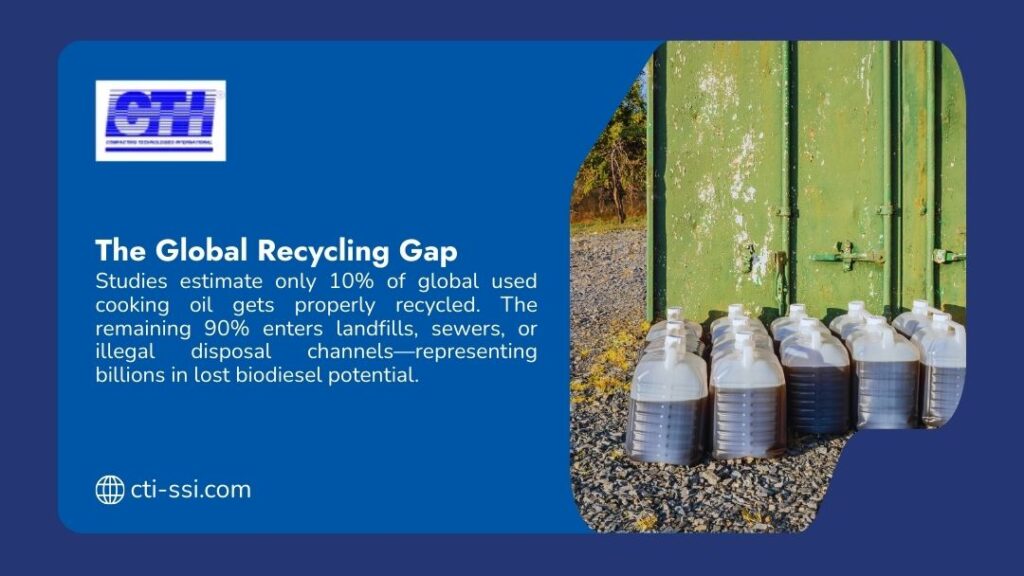
Global used cooking oil production reaches 41-52 million tons annually according to industry research. This resource has significant potential for emission reductions when collected and recycled properly rather than disposed of as waste.
Facilities that recycle their oil contribute to climate goals and corporate sustainability targets. Many companies track recycled oil volumes in environmental reports and sustainability disclosures.
Frequently Asked Questions (FAQ) About How To Dispose Of Cooking Oil
Can cooking oil go down drains if we have grease traps?
Grease traps capture some oil but are not designed to handle bulk disposal. Traps need regular cleaning and still allow some oil to pass through. Never pour used oil into sinks or floor drains even with traps present.
How long can facilities store used cooking oil before collection?
Storage duration depends on container type and local climate. Indoor storage at moderate temperatures can last several weeks. Outdoor storage in summer should not exceed 7-10 days before odor and pest problems develop. Schedule regular pickups based on production volume.
What happens to cooking oil at recycling facilities?
Biodiesel facilities filter and process oil through chemical reactions that convert it to fuel. Renderers heat and separate fats for industrial products like soap and lubricants. Both processes create useful products from waste materials.
Do small restaurants need the same disposal systems as large facilities?
Requirements scale with production volume. Small operations may use simple collection containers with periodic pickup. Large facilities need grease traps, bulk storage tanks, and more frequent collection. Local codes set specific requirements based on facility size and type.
Final Considerations
Commercial facilities that understand proper methods to dispose of cooking oil protect themselves from regulatory violations, infrastructure damage, and environmental liability.
Critical steps include: install appropriate collection equipment for operation size, maintain grease traps on schedules required by local codes, contract with licensed collectors or recyclers for regular service, document all collection and disposal activities, train staff on proper oil handling and storage procedures.
Used cooking oil represents both a waste management challenge and a resource recovery opportunity. Facilities that optimize their programs reduce costs, generate revenue, and demonstrate environmental responsibility.
Proper disposal protects water resources that supply communities and ecosystems. The contamination potential of cooking oil demands careful handling and approved disposal methods. Facilities that treat used oil seriously protect public health and environmental quality.