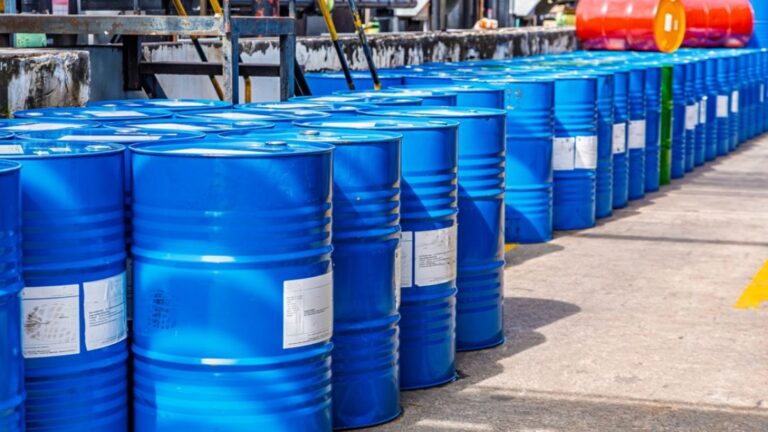
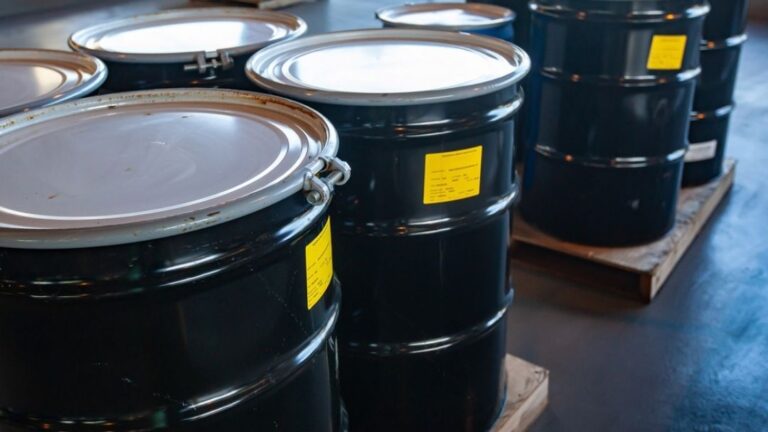
In 2019, though, improper hazardous waste classification generated $3.2 million in EPA fines across 12 manufacturing facilities.
If your organization fails to identify types of hazardous wastes faces heavy fines and, in some cases, criminal charges.
The present guide is devoted to the four main types of hazardous waste that businesses generate daily. You will learn to identify each category to prevent costly compliance errors and safeguard your organization from regulatory violations.
What is Hazardous Waste?
Hazardous waste is any material that causes great harm to people or to the environment.
Usually, hazardous waste is created during businesses’ regular activities such as manufacturing, maintaining equipment, or cleaning.
The EPA ensures that safety is brought to the handling of the waste according to a law called the Resource Conservation and Recovery Act (RCRA).
Basically, there are two types of hazardous waste: those specifically listed by the EPA and those exhibiting certain hazardous characteristics, such as flammability, corrosiveness, or toxicity.

Legal Definition and Scope
RCRA establishes the legal framework for hazardous waste management across all industries. This law covers waste from large manufacturers down to small auto repair shops.
Generators who produce more than 220 pounds of hazardous waste per month face comprehensive regulatory requirements.
Even small quantity generators must follow basic safety and disposal rules.
RCRA hazardous waste regulations apply to thousands of different materials commonly found in business operations. The scope includes everything from used oil to laboratory chemicals.
Common Sources in Business Operations
Manufacturing facilities generate the largest volumes of hazardous waste through production processes. Metal fabrication shops produce waste that contains heavy metals and toxic solvents.
Maintenance operations create hazardous waste when cleaning equipment with chemical solvents. Auto repair facilities generate waste oil, spent batteries, and contaminated rags.
Even office buildings produce hazardous waste through fluorescent light bulbs and electronic equipment.
Household hazardous waste regulations also apply to small businesses and residential properties.
The Four Primary Types of Hazardous Waste
The EPA defines hazardous waste through four distinct characteristics. Each type poses unique risks and requires specific handling protocols.
- Ignitable Waste Materials
Walk into any auto shop and you’ll smell the telltale odor of ignitable waste. These materials catch fire way too easily – anything with a flash point below 140°F gets the hazardous label.
I’ve seen facilities rack up serious fines because they stored paint thinner next to a space heater. One spark and you’ve got a disaster on your hands, plus regulatory headaches that last for months.
Most ignitable waste comes from everyday operations like parts cleaning and equipment maintenance. Your maintenance crew probably generates this stuff without even thinking about it.
Material Type | Flash Point | Where You’ll Find It | Storage Rule |
Paint Solvents | Below 140°F | Body shops, furniture makers | Metal containers only |
Degreasing Agents | Below 140°F | Machine shops, factories | Away from heat sources |
Cleaning Alcohols | Below 140°F | Labs, medical facilities | Proper ventilation required |
Waste Fuel | Below 140°F | Fleet maintenance, airports | Explosion-proof equipment |
Smart facilities invest in proper flammable storage cabinets from day one. Regular cabinet inspections catch problems before they turn into expensive violations.

- Corrosive Waste Categories
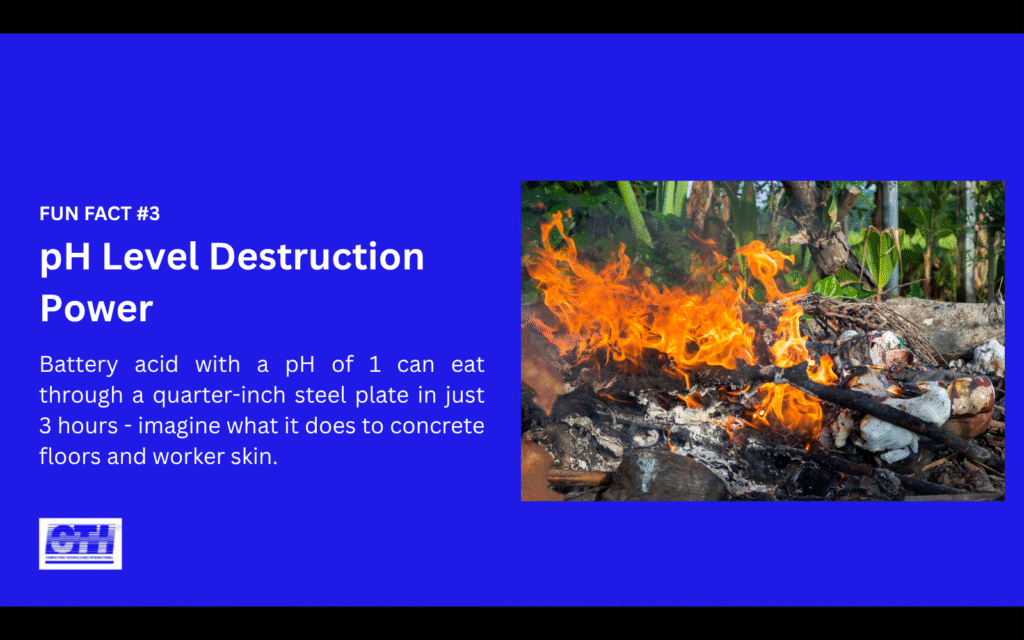
Picture the worst-case scenario – battery acid eating through concrete floors in your facility. That’s exactly what happened to a client of mine who didn’t take corrosive waste seriously.
The EPA gets really picky about pH levels here. Anything below 2 or above 12.5 on the pH scale automatically becomes regulated hazardous waste.
You’d be surprised how many “harmless” cleaning products actually qualify as corrosive waste. That industrial degreaser your crew loves probably falls into this category.
Corrosive Type | pH Level | Common Examples | Main Hazard |
Strong Acids | Below 2.0 | Battery acid, metal etching solutions | Burns skin, damages equipment |
Strong Bases | Above 12.5 | Concrete cleaners, oven degreasers | Severe chemical burns |
Rust Removers | Below 2.0 | Naval jelly, phosphoric acid products | Metal corrosion, vapor hazards |
Alkaline Cleaners | Above 12.5 | Industrial degreasers, floor strippers | Respiratory damage, skin burns |
The trick with corrosive materials is proper container selection – cheap plastic won’t cut it. Battery storage protocols save facilities thousands in cleanup costs when acid leaks happen.
- Reactive Waste Materials
Here’s the scary truth about reactive waste – it doesn’t need much to go boom. Just last year, a warehouse explosion in Texas was traced back to improperly stored reactive chemicals.
These materials hate moisture, air, and especially other chemicals. Mix the wrong stuff together and you get everything from toxic gas clouds to actual explosions.
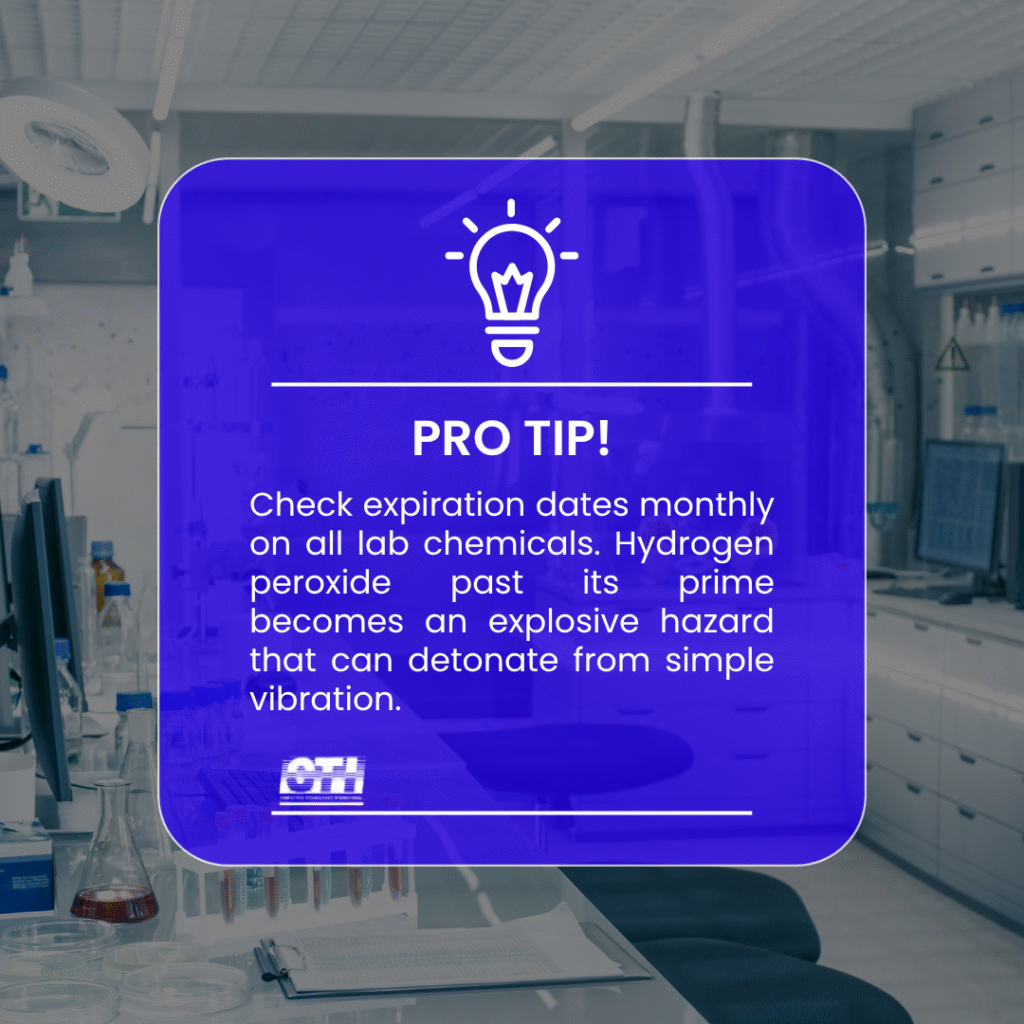
Most people don’t realize that common lab chemicals become reactive waste once they hit their expiration dates. Old hydrogen peroxide bottles are basically ticking time bombs.
Reactive Material | Trigger | Reaction Type | Storage Requirement |
Expired Peroxides | Heat, shock | Explosive detonation | Cool, dry, separate |
Metal Powders | Water contact | Fire, toxic gas | Moisture-proof containers |
Old Lab Chemicals | Air exposure | Violent reaction | Inert atmosphere |
Oxidizers | Organic contact | Intense fire | Separate from fuels |
The golden rule with reactive waste is separation – never store incompatible materials together. Temperature control stops most reactive incidents before they start.
- Toxic Waste Identification
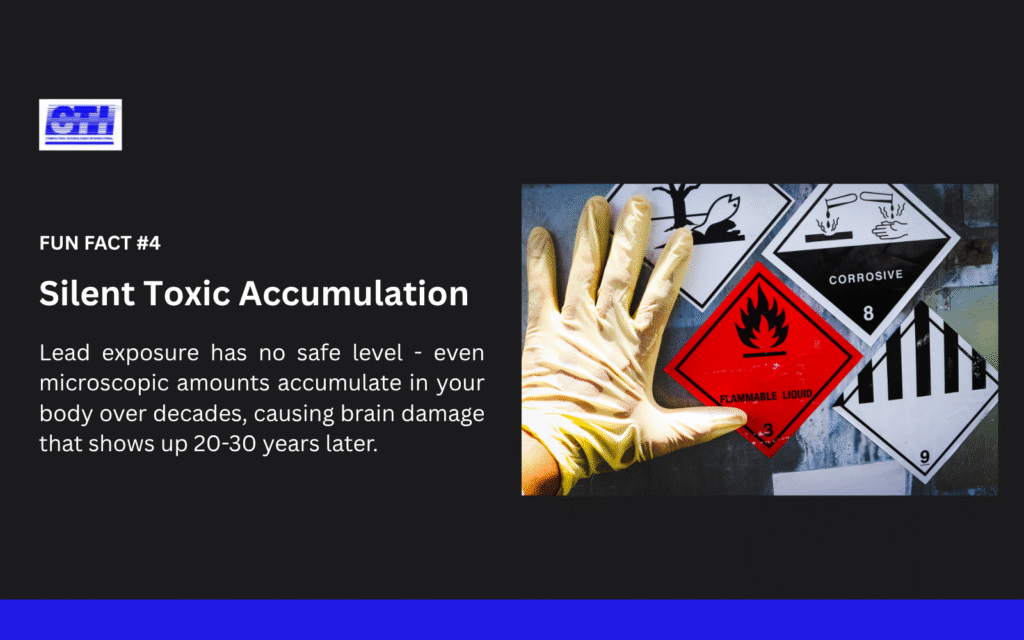
The silent killer in most facilities is toxic waste that looks completely harmless. Many professionals have walked through plants where workers handled lead-contaminated materials without proper protection for years.
Toxic waste doesn’t announce itself with flames or fumes. Heavy metals accumulate in your body over time until serious health problems show up decades later.
Your facility probably generates more toxic waste than you realize.
Toxic Substance | Health Effect | Common Sources | Detection Method |
Lead | Brain damage, organ failure | Old paint, batteries, solder | Lab testing required |
Mercury | Nervous system damage | Fluorescent bulbs, switches | Vapor detection |
Cadmium | Kidney disease, cancer | Batteries, metal plating | Chemical analysis |
Arsenic | Cancer, skin damage | Wood preservatives, pesticides | Specialized testing |
Hazard diamond symbols give you quick visual warnings about toxic materials. But here’s the catch – many toxic substances don’t have obvious warning signs.
Listed Hazardous Waste Categories
Beyond the types of hazardous waste, the EPA maintains detailed lists of specific materials that automatically count as hazardous waste.
These lists catch materials that might slip through the characteristic definitions.
The listed hazardous waste categories have F-codes, K-codes, P-codes, and U-codes. Each letter tells you where the waste came from and how dangerous it is.
List Type | What It Covers | Code Example | Typical Source |
F-List | Common industrial waste | F001 – Spent solvents | Degreasing operations |
K-List | Industry-specific waste | K048 – Petroleum refining | Oil refineries |
P-List | Acutely hazardous products | P001 – Warfarin | Unused rat poison |
U-List | Toxic commercial products | U002 – Acetone | Expired lab chemicals |
Special Waste Categories
Some materials require additional consideration beyond standard hazardous waste classifications. These special categories have unique regulatory requirements.
- Universal Waste Types
Universal waste includes common items like fluorescent bulbs, batteries, and mercury-containing equipment. Simplified regulations govern universal waste to encourage proper disposal.
Many facilities generate universal waste through normal operations. Office buildings accumulate fluorescent tubes while manufacturing plants produce spent batteries.
- Mixed Waste Streams
Mixed waste contains both hazardous and radioactive components. Nuclear facilities and medical institutions commonly generate mixed waste materials.
Disposal options for mixed waste remain limited due to dual regulatory oversight. Storage costs increase significantly when materials qualify as mixed waste.

Waste Classification Process
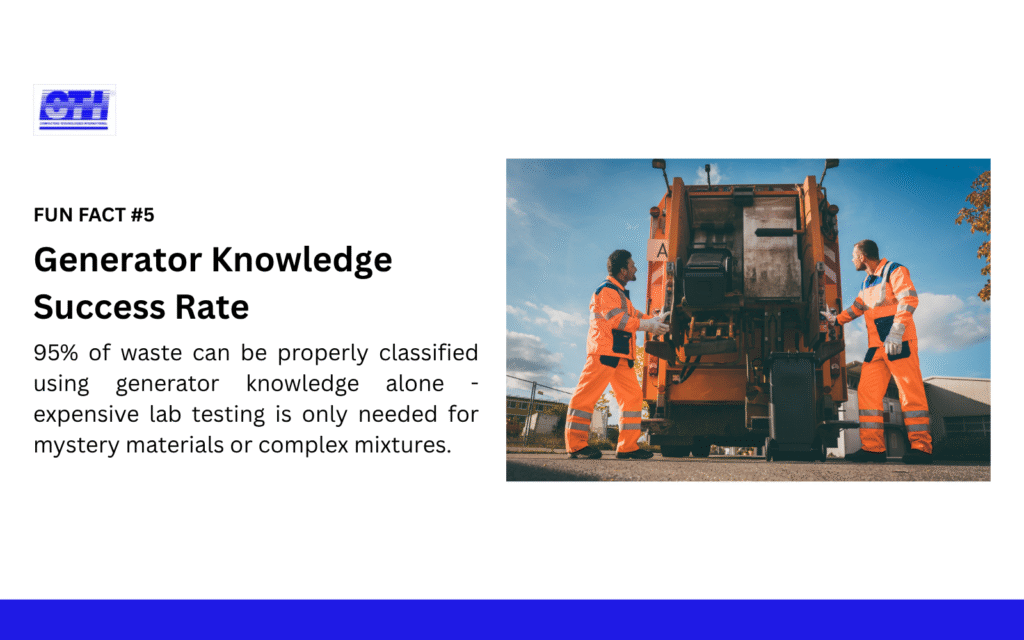
Proper waste classification begins with knowledge of your facility’s processes and materials. Generator knowledge provides the foundation for accurate hazardous waste determination.
- Generator Knowledge Method
Most facilities use generator knowledge to classify their waste streams. This method relies on understanding the materials and processes that create waste.
Document all chemicals used in your operations, including cleaning supplies and maintenance materials. Raw material safety data sheets contain essential classification information.
- Laboratory Testing Requirements
Some waste streams require laboratory analysis to determine hazardous characteristics. Testing becomes necessary when generator knowledge proves insufficient.
RCRA hazardous waste testing follows specific protocols for each characteristic. Laboratories must use EPA-approved methods for regulatory compliance.
Common Classification Mistakes
Many facilities make predictable errors when classifying their waste streams. These mistakes often result in regulatory violations and costly penalties.
- Assuming Non-Hazardous Status
Some generators assume their waste lacks hazardous characteristics without proper evaluation. Common industrial chemicals often exhibit multiple hazardous properties.
Spent cutting fluids may contain heavy metals that create toxic waste. Used oil can become ignitable waste when mixed with solvents.
- Mixing Waste Streams
Combining different waste types can create more hazardous mixtures than individual components. Mixed waste often requires more expensive disposal methods.
Hazardous waste examples demonstrate how common materials become regulated waste through normal use. Segregation at the source prevents unnecessary hazardous classifications.
Cost-Effective Management Solutions
Smart waste management strategies reduce disposal costs while maintaining regulatory compliance. Waste minimization and treatment options can significantly lower expenses.
- Volume Reduction Technologies
Compaction equipment reduces hazardous waste volumes before disposal. Smaller waste volumes translate directly to lower transportation and disposal costs.
Liquid waste disposal costs often exceed solid waste management expenses. Dewatering and solidification technologies convert liquids to less expensive solid waste forms.
- Treatment and Recycling Options
Some hazardous waste streams qualify for beneficial reuse or recycling programs. Waste recycling reduces disposal costs and environmental impact.
Solvent recovery systems reclaim usable materials from waste streams. Metal recovery operations extract valuable components from electronic waste.
CTI’s waste compaction solutions help facilities reduce disposal volumes and costs. Our equipment handles multiple types of hazardous waste while maintaining safety standards.
Regulatory Compliance Requirements
The feds don’t mess around when it comes to hazardous waste paperwork.
If you skip the documentation, you’ll face fines that make your annual insurance premiums look like pocket change.
We’ve watched inspectors shut down entire operations because someone forgot to update their waste manifests.
The EPA loves their paper trails – every single drum needs proper documentation from cradle to grave.
Compliance Area | What You Need | Penalty for Mistakes | Pro Tip |
Waste Classification | Written determination | $37,500 per violation | Document everything |
Storage Records | Daily inspection logs | $2,500 per day | Use checklists |
Training Files | Certificates for all staff | $10,000 per untrained worker | Annual refreshers |
Manifests | Proper shipping papers | $75,000 per shipment | Electronic systems |
- Documentation Standards
Here’s what keeps facility managers awake at night: proving you classified your waste correctly. The inspector won’t take your word for it when they show up unannounced.
Your waste characterization paperwork becomes evidence in court if something goes wrong. Keep detailed records of every chemical you use and every waste stream you generate.
Electronic manifest systems save tons of headaches compared to old paper methods. Most haulers now prefer digital tracking because it cuts down on lost paperwork disasters.
- Training Requirements
Your workers need real training, not just a 5-minute safety speech during orientation. The EPA expects documented proof that everyone knows what they’re handling.
I’ve seen facilities get hammered because they couldn’t prove their forklift driver knew the difference between ignitable and toxic waste. Basic training prevents expensive mistakes.
Training records need to show specific topics covered, not just attendance sheets. Include waste identification, spill response, and emergency evacuation procedures for every person who touches hazardous materials.
Emergency Response Procedures
When things go sideways with hazardous waste, you’ve got maybe 15 minutes to control the situation. After that, the fire department takes over, and your insurance company starts asking tough questions.
Different waste types need completely different emergency responses. What works for a paint spill will make a corrosive leak ten times worse.
- Spill Response Protocols
Small spills turn into major environmental disasters when people panic and use the wrong cleanup methods. Water makes ignitable waste spills spread faster across your facility floor.
Corrosive spills eat through whatever they touch – including your expensive equipment. Neutralize the acid first, then worry about cleanup procedures afterward.
Spill Type | First Step | What NOT to Do | Cleanup Method |
Ignitable | Remove heat sources | Don’t use water | Absorbent materials |
Corrosive | Neutralize pH | Don’t touch with your bare hands | Chemical neutralizers |
Toxic | Evacuate area | Don’t sweep dry | Wet cleanup only |
Reactive | Isolate container | Don’t move the material | Call professionals |
- Fire and Explosion Hazards
Ignitable waste fires spread faster than you think possible. That little paint spill becomes a warehouse inferno in under two minutes if you’re not prepared.
Automatic sprinkler systems actually make some chemical fires worse by spreading burning liquids around. Dry chemical suppressors work better for most hazardous waste fires.
Reactive materials can explode without warning when mixed with the wrong stuff. Keep fire suppression equipment designed for chemical fires, not regular building fires.
Important Facts About Types of Hazardous Waste
Don’t gamble with hazardous waste classification – the penalties hurt way more than proper disposal costs. Each of the four main types of hazardous waste needs different handling to keep your facility safe and legal.
Most facilities can classify their waste using process knowledge without expensive lab testing. Save the testing budget for questionable materials that don’t fit obvious categories.
Storage rules change dramatically based on what type of material you’re dealing with. What works for ignitable materials might create serious problems with corrosive or reactive waste.

Get Professional Help With Your Hazardous Waste Challenges
CTI-SSI has spent over two decades helping businesses figure out their hazardous waste headaches without breaking the bank.
Our specialist services help businesses reduce costs, increase safety, and keep their communities safe from hazardous materials.
Let professionals handle your waste management program. Contact CTI-SSI today at cti-ssi.com and stop losing sleep over hazardous waste regulations.