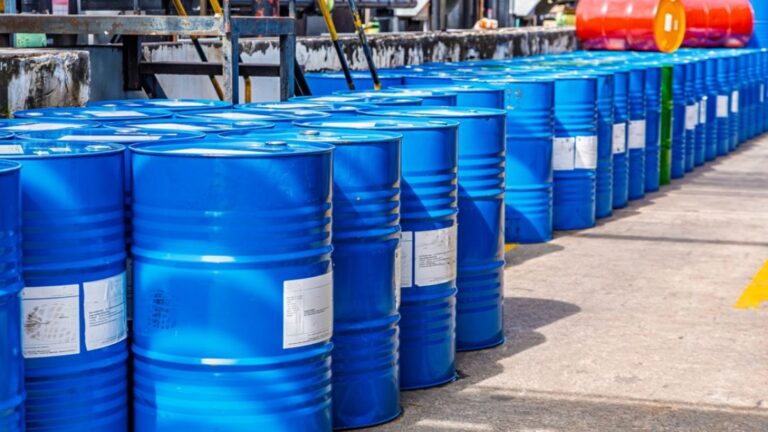
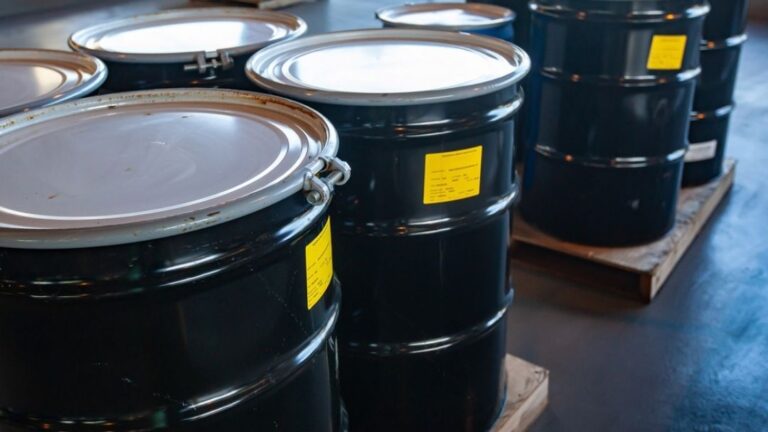
Article Summary:
- Gasoline degrades after 3-6 months and becomes hazardous waste under EPA regulations
- Ten gallons of gasoline can contaminate 12 million gallons of groundwater
- Industrial facilities must follow RCRA protocols for fuel waste classification and transport
- Volume reduction systems cut disposal expenses by 40-60%
- Proper storage, documentation, and licensed disposal protect facility compliance
This guide covers safe methods to dispose of old gas from industrial operations, detailing EPA classification standards, approved disposal pathways, storage protocols, and cost-reduction strategies that keep facilities compliant with federal and state environmental regulations.
When Fuel Becomes Hazardous Waste
Gasoline has a limited shelf life, and after about three to six months, it begins to break down due to oxidation and contamination. Heat and moisture speed up this process, especially when fuel is stored in partially full tanks.
Inside the container, condensation is formed as the temperatures change, which allows water and humidity to collect a mix with the fuel over time.
| Fuel Age | Condition | Combustion Ability | Waste Status |
| 0-3 months | Fresh | Full capability | Active fuel |
| 3-6 months | Light oxidation | Reduced output | Questionable |
| 6-12 months | Heavy degradation | Poor performance | Waste material |
| 12+ months | Contaminated | Non-functional | Hazardous waste |
Industrial facilities generate old fuel through:
- Equipment decommission
- Maintenance operations
- Tank cleanouts
- Emergency generator tests
These waste streams require proper household hazardous waste disposal protocols to meet federal environmental standards.
EPA Classification for Old Gasoline
The EPA treats gasoline as characteristic hazardous waste because of flash points. Any liquid below 140°F qualifies as D001 waste under RCRA standards.
| Waste Code | Hazard Type | Flash Point | Common Examples |
| D001 | Ignitable | Below 140°F | Gasoline, diesel, solvents |
| D002 | Corrosive | pH ≤2 or ≥12.5 | Acids, alkaline cleaners |
| D003 | Reactive | Unstable | Oxidizers, peroxides |
| D018 | Benzene toxicity | Benzene content | Contaminated fuels |
Fuel mixed with other materials needs additional classification. Old gas combined with solvents, oils, or degreasers often carries multiple waste codes. This affects where to dispose of hazardous waste and determines transport requirements.
Generator status determines compliance obligations:
Small Quantity Generators (SQG):
- Generate 100-1,000 kg per month
- Store up to 180 days (270 days if >200 miles to facility)
- Need EPA ID number
Large Quantity Generators (LQG):
- Generate over 1,000 kg per month
- Store maximum 90 days
- Require contingency plans and personnel training
These classifications determine the legal requirements facilities must follow to dispose of old gas in compliance with RCRA regulations.
Safe Disposal Methods for Old Gasoline
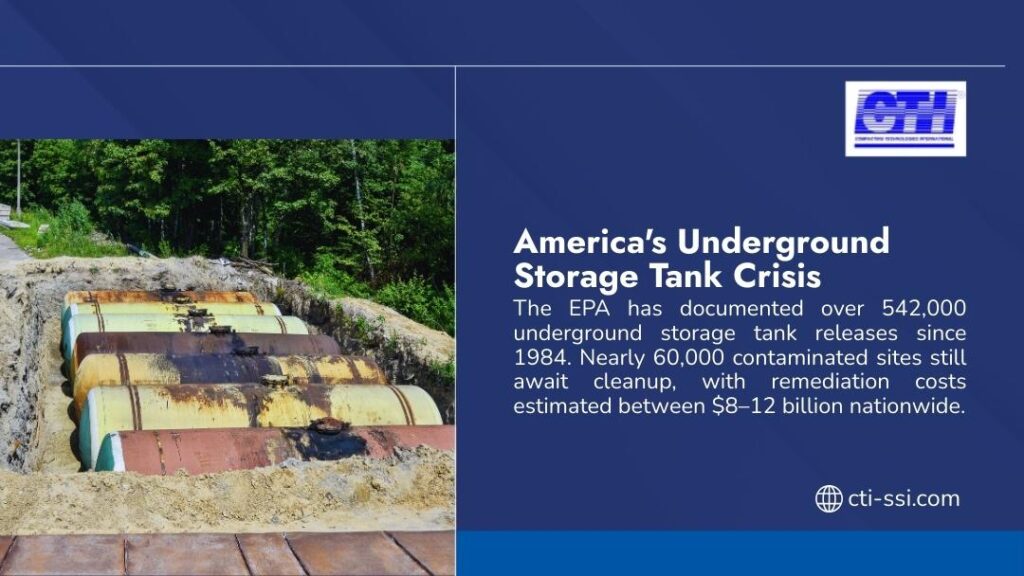
Licensed treatment facilities provide the only legal disposal route for industrial gasoline waste. Research shows that proper liquid waste disposal prevents groundwater contamination that can affect drinking water supplies.
According to the EPA, petroleum contamination threatens groundwater, which supplies drinking water to nearly half of the U.S. population, making proper gasoline disposal a critical environmental safeguard.
| Method | Volume Capacity | Cost Range | Timeline | Best Application |
| Licensed hauler | Unlimited | $250-$800/drum | 1-3 weeks | High-volume facilities |
| Waste-to-energy | Facility-dependent | $150-$500/drum | 2-4 weeks | BTU recovery |
| Fuel blending | Large volumes | $100-$400/drum | 1-2 weeks | Light degradation only |
| Recycler pickup | Varies | $200-$600/drum | 1-2 weeks | Clean separation |
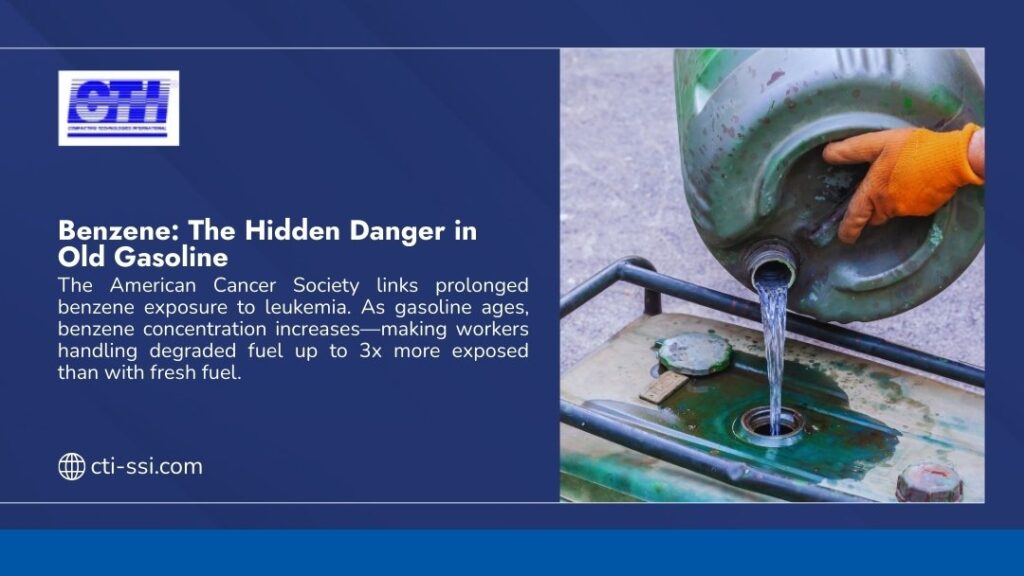
According to a Grist report on environmental contamination, ten gallons of gasoline can contaminate 12 million gallons of groundwater. This demonstrates why facilities need proper disposal rather than improper discharge.
Even very small fuel leaks can have massive consequences. Research shows that a leakage rate of just two drops per second can render nearly half a billion gallons of water unfit for drinking, highlighting how quickly gasoline contamination spreads through groundwater systems.
Disposal Process Steps:
- Classify waste under RCRA codes
- Obtain EPA generator ID (if not already registered)
- Contact licensed transporters
- Complete hazardous waste manifest
- Store in approved containers until pickup
- Retain manifest copies for three years minimum
Treatment facilities use several methods which can be:
- High-temperature incineration for energy recovery
- Distillation to separate reusable components
- Chemical treatment for neutralization
- Fuel blending at approved recyclers
Small facilities that generate minimal volumes can sometimes use municipal collection events, but most programs limit commercial quantities. Industrial operations typically need commercial services.
Storage Requirements Before Disposal
Facilities cannot dispose of old gas immediately in most cases. Proper interim storage meets safety and compliance standards while transport gets scheduled.
| Requirement | Standard Specification | Regulation |
| Container type | DOT-approved for flammables | 49 CFR 173 |
| Labels | “Hazardous Waste” + date | 40 CFR 262 |
| Container integrity | No damage, rust, or leaks | EPA guidelines |
| Secondary containment | 110% of largest container | 40 CFR 264.175 |
| SQG storage limit | 180-270 days maximum | 40 CFR 262.16 |
| LQG storage limit | 90 days maximum | 40 CFR 262.17 |
Storage Area Requirements:
Fire-rated cabinets must protect indoor gasoline waste. These cabinets offer:
- Fire resistance for two hours minimum
- Self-close doors with three-point latches
- Vented construction for vapor control
- Warning labels visible from all approaches
Outdoor storage areas need:
- Concrete pads with chemical resistance
- Spill berms or secondary containment
- Weather protection from direct rain
- Distance from drains and waterways
- Grounded bonding systems
Facilities face serious penalties for storage violations. OSHA fines reach $15,625 per violation. EPA penalties start at $37,500 per day for RCRA violations.
Documentation needs during storage:
- Accumulation start date on each container
- Weekly container inspection logs
- Annual employee training records
- Emergency response procedures
- Contingency plans (for LQGs)
Cost Management for Gasoline Disposal
Old fuel disposal creates recurring expenses for industrial operations. Smart strategies reduce these costs while maintaining full compliance.
| Strategy | Potential Savings | Implementation Method |
| Volume consolidation | 15-25% | Combine drums into bulk containers |
| Scheduled pickups | 10-20% | Plan regular service vs emergency calls |
| Waste characterization | Variable | Test for less-expensive pathways |
| Volume reduction | 40-60% | Compact contaminated materials |
Volume Reduction Benefits:
Facilities that handle hazardous waste examples like contaminated drums benefit from compaction systems. These systems:
- Reduce waste volume by 4:1 or greater ratios
- Lower transportation frequency and costs
- Decrease manifest paperwork
- Cut disposal facility fees through volume reduction
- Reduce carbon footprint from fewer truck trips
CTI Safety Storage produces industrial compaction equipment for hazardous material applications. We have systems that feature NEMA 7 explosion-proof operation for safe use around flammable vapors.
Advanced Safety Features:
For facilities that regularly dispose of old gas waste, specialized equipment adds protection:
- Explosion-proof electrical components prevent ignition
- Liquid extraction systems remove free liquids
- VOC filtration captures organic vapors
- Stainless steel construction allows decontamination
- Fire suppression fittings provide emergency response
These features help facilities handle gasoline-contaminated materials safely while reducing disposal volumes and costs. Initial equipment investment typically pays back within 18-24 months through disposal savings.
Additional Cost Reduction Methods:
Work with haulers to optimize pickup schedules. Most transporters offer discounts for regular service rather than one-time calls.
Characterize waste accurately. Some lightly-degraded fuel qualifies for less expensive disposal pathways than heavily-contaminated material.
Train staff properly. Mistakes in classification or documentation lead to rejected loads and re-transport fees that add unnecessary expense.
Separate waste streams when possible. Pure gasoline waste costs less to dispose of than mixed waste streams with multiple hazard codes.
Compliance and Safety Protocols
Federal and state regulations govern how to dispose of old gas from industrial operations. Violations carry significant penalties and liability.
| Regulation | Agency | Key Requirements | Penalties |
| RCRA Subtitle C | EPA | Generator ID, manifests, training | $37,500-$75,000/day |
| DOT Hazmat | DOT | Package, label, placard | $75,000+/violation |
| OSHA Hazcom | OSHA | Training, SDS, PPE | $15,625/violation |
| State programs | State EPA | Permits, reports | Varies by state |
Worker Safety Requirements:
Personal protective equipment for gasoline handling:
- Chemical-resistant gloves (nitrile or neoprene)
- Safety glasses with side shields
- Face shield for transfer operations
- Steel-toed boots with chemical resistance
- Fire-retardant clothing in high-risk areas
Respiratory protection follows OSHA 29 CFR 1910.134 standards. Workers need NIOSH-approved respirators with organic vapor cartridges when exposure exceeds permissible limits.
Ventilation systems must provide at least one cubic foot per minute per square foot of floor area in gasoline storage locations per NFPA 30 standards.
Emergency Preparedness:
Each facility needs:
- Emergency eyewash stations within 10 seconds of work areas (ANSI Z358.1)
- Class B fire extinguishers every 20 feet maximum
- Spill response kits with absorbent materials
- Emergency contact list posted prominently
- Evacuation routes clearly marked
Fire Prevention:
Gasoline vapor creates explosion hazards. Facilities must:
- Eliminate all ignition sources near storage areas
- Ground and bond containers during transfer
- Use explosion-proof electrical equipment in classified areas
- Prohibit smoking within 25 feet of storage
- Control static electricity through proper grounding
Documentation Compliance:
Facilities need these records:
- EPA identification number documentation
- Hazardous waste manifests (retain three years)
- Worker training certificates (annual refresher required)
- Container inspection logs (weekly minimum)
- Biennial reports (LQGs only)
Failure to maintain proper documentation leads to compliance violations even when physical handling follows best practices.
Frequently Asked Questions (FAQ) About How To Dispose Of Old Gas
Can small amounts of old gas mix with fresh fuel for reuse?
Slightly aged gasoline under six months old can sometimes blend with fresh fuel at ratios of 1:5 or less for non-critical equipment. However, industrial facilities should dispose of old gas through proper channels rather than attempt reuse. Liability risks and performance issues outweigh potential savings.
How long can facilities legally store gasoline waste?
Storage duration depends on generator status. Small quantity generators get 180 days (270 if shipping over 200 miles). Large quantity generators face a strict 90-day limit. These are maximum times – facilities should schedule disposal as soon as practical.
What happens to gasoline after it reaches the disposal facility?
Licensed facilities either incinerate fuel for energy recovery or process it through distillation and chemical treatment. Some facilities blend lightly-degraded gasoline with other fuels for industrial burners. All methods require EPA approval and monitoring.
Do facilities need special licenses to store gasoline waste temporarily?
EPA generator IDs are required but no separate storage license exists for temporary accumulation within regulatory timeframes. However, facilities must follow all RCRA storage standards including containers, labeling, inspections, and secondary containment.
Can contaminated gasoline go to standard recyclers?
Pure gasoline can sometimes go to fuel recyclers. However, fuel contaminated with water, oils, solvents, or other materials typically needs hazardous waste disposal. Contamination type affects classification and disposal pathways significantly.
Final Considerations
Industrial facilities that understand proper methods to dispose of old gas protect themselves from regulatory penalties, environmental liability, and safety incidents.
Key steps include: classify waste gasoline under proper RCRA codes, use only DOT-approved containers with correct labels, complete hazardous waste manifests accurately, and send waste to licensed treatment facilities.
For facilities that generate gasoline waste regularly, volume reduction systems provide long-term value. These systems may require initial investment but typically achieve payback within 18-24 months through reduced transportation and disposal costs.